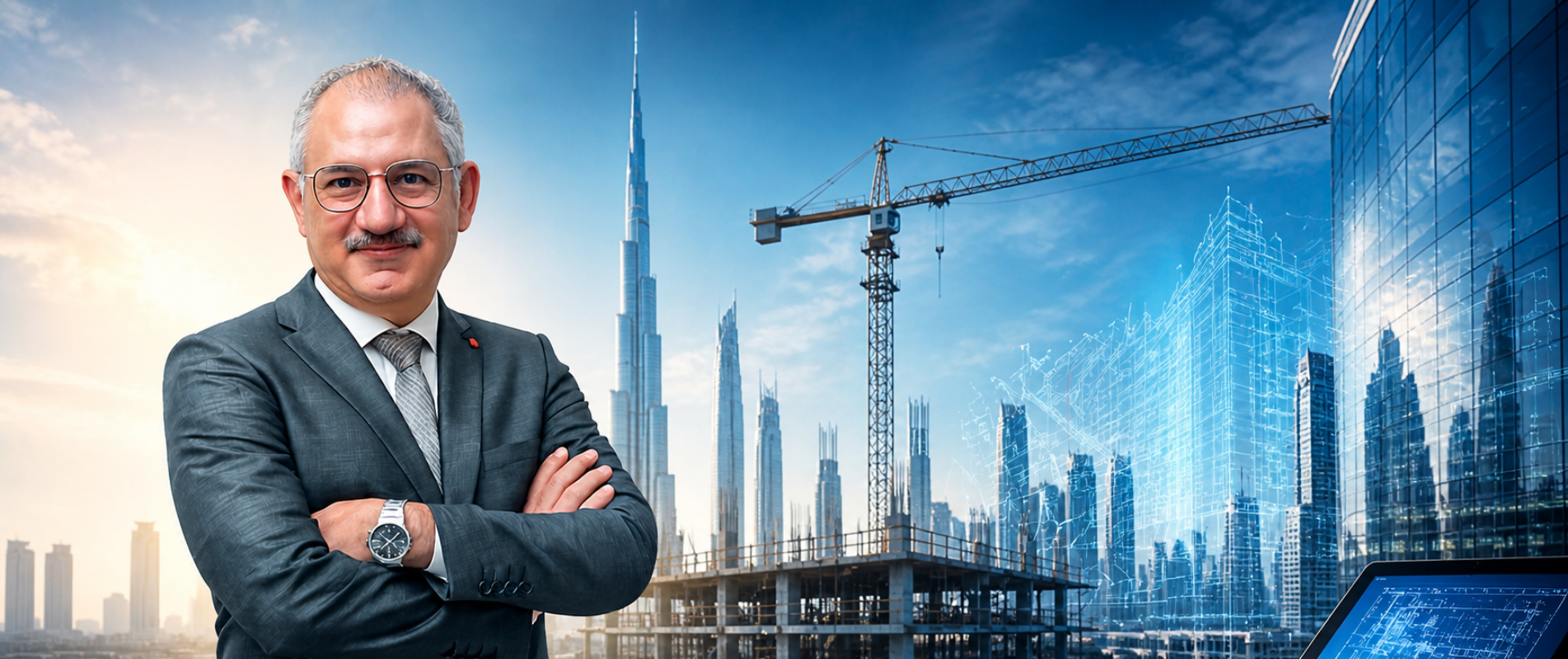

The Power of Green Building: Sustainable Solutions for a Better Future
In an era defined by rapid urbanization, climate change, and increasing pressure on natural resources, the construction industry stands at a critical turning point. Buildings account for a significant share of global energy consumption, carbon emissions, and water usage, making the shift toward sustainable construction no longer optional—but essential. This is where green building emerges as a powerful and practical solution, offering a transformative approach to how we design, construct, and operate the built environment.
Green building, also known as sustainable construction or eco-friendly building, refers to the integration of environmentally responsible practices throughout a building’s lifecycle—from planning and design to construction, operation, and maintenance. It focuses on reducing environmental impact while enhancing occupant health, improving energy efficiency, and optimizing resource use. By incorporating renewable energy systems, energy-efficient materials, water-saving technologies, and smart building solutions, green buildings significantly lower carbon footprints and operational costs.
The growing importance of green building is particularly evident in regions like the United Arab Emirates, where ambitious sustainability agendas and rapid infrastructure development are shaping the future of cities. Initiatives such as Estidama, LEED certification, and Dubai’s Clean Energy Strategy are driving the adoption of sustainable building practices across residential, commercial, and industrial projects. As a result, developers, contractors, and consultants are increasingly required to integrate sustainability standards into project planning and execution—not only to comply with regulations but also to remain competitive in a rapidly evolving market.
From an economic perspective, green buildings offer long-term financial benefits through reduced energy consumption, lower maintenance costs, and increased asset value. Environmentally, they contribute to the reduction of greenhouse gas emissions, improved air quality, and conservation of natural resources. Socially, they enhance occupant well-being by providing healthier indoor environments with better air quality, natural lighting, and thermal comfort.
Moreover, the adoption of green building practices is closely linked to advancements in construction technology, including Building Information Modeling (BIM), smart sensors, and cloud-based project management systems. These tools enable better design coordination, efficient resource management, and data-driven decision-making, further strengthening the case for sustainable construction.
However, despite its clear advantages, the widespread implementation of green building still faces challenges, including higher initial costs, lack of standardization, limited awareness, and gaps in technical expertise. Addressing these barriers requires a collaborative effort from policymakers, industry professionals, and stakeholders to promote innovation, enforce regulations, and build capacity across the sector.
Ultimately, green building represents more than just a trend—it is a strategic imperative for achieving sustainable development goals and creating resilient, future-ready cities. By embracing sustainable construction practices today, we can ensure a healthier environment, stronger economies, and a better quality of life for future generations.

The Power of Green Building: Sustainable Solutions for a Better Future
- The Meaning of Green Building:
Green building, also known as sustainable or eco-friendly construction, refers to the design, construction, and operation of buildings in a way that minimizes their negative impact on the environment and maximizes their positive contribution to society. It involves using resource-efficient materials, employing energy-saving techniques, and integrating renewable energy sources to create structures that are environmentally responsible and economically viable.
- Energy Efficiency: Paving the Way for a Greener Future:
One of the core principles of green building is energy efficiency. By implementing energy-saving measures such as improved insulation, efficient lighting systems, and smart temperature controls, buildings can significantly reduce their energy consumption. This not only helps conserve valuable resources but also lowers greenhouse gas emissions, leading to a healthier planet and reduced carbon footprint.
- Water Conservation: Preserving a Precious Resource:
Water scarcity is a growing concern worldwide. Green building practices emphasize the conservation and efficient use of water resources. Through the installation of low-flow fixtures, rainwater harvesting systems, and graywater recycling, buildings can drastically reduce their water consumption. By conserving water, green buildings contribute to sustainable water management and alleviate the strain on water supplies.
- Sustainable Materials: Building with the Future in Mind:
Traditional construction often relies on resource-intensive materials that deplete natural resources and harm the environment. In contrast, green building promotes the use of sustainable materials, such as recycled content, rapidly renewable resources, and non-toxic products. By incorporating these materials, buildings can reduce waste generation, decrease pollution, and create healthier indoor environments for occupants.
- Indoor Environmental Quality: Enhancing Health and Well-being:
Green buildings prioritize the well-being of their occupants by ensuring a high indoor environmental quality. This includes adequate ventilation, access to natural light, and the use of non-toxic building materials. By improving indoor air quality and creating comfortable living or working spaces, green buildings enhance the health and productivity of their inhabitants.
- Renewable Energy Integration: Harnessing the Power of Nature:
Renewable energy sources, such as solar and wind, play a crucial role in green building. By integrating renewable energy systems like solar panels and wind turbines into the design, buildings can generate clean and sustainable power on-site. This not only reduces reliance on fossil fuels but also provides long-term energy cost savings and contributes to a greener energy grid.
Conclusion:
Green building represents a transformative approach to construction that addresses the urgent need for environmental sustainability. Through energy efficiency, water conservation, sustainable materials, and other innovative practices, green buildings pave the way for a more sustainable future. By embracing green building principles, we can mitigate climate change, protect natural resources, and create healthier and more resilient communities. Let us embrace the power of green building and work towards a brighter and greener tomorrow.